







Richmond Park History
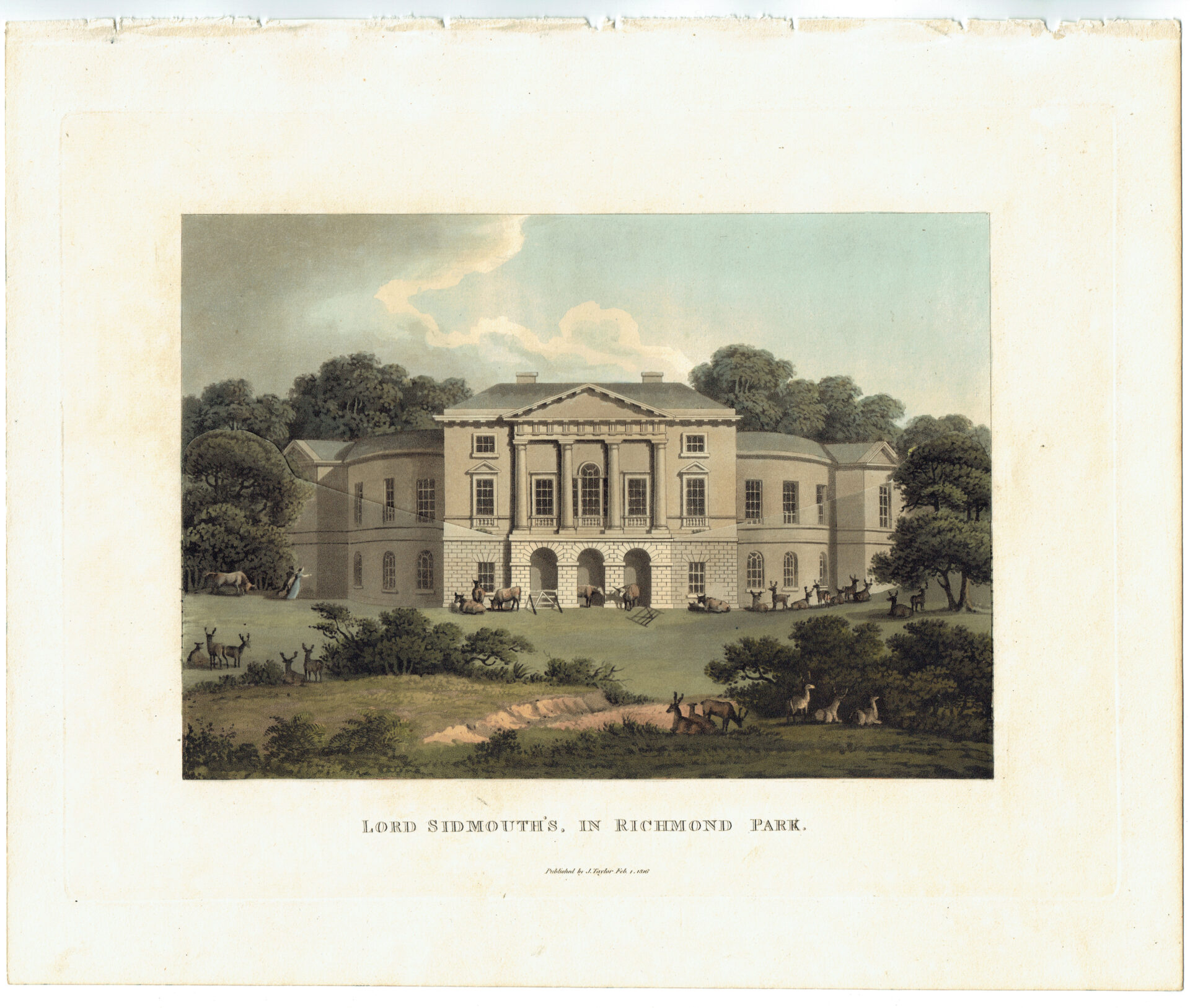
A Royal Park with Nearly 400 Years of History
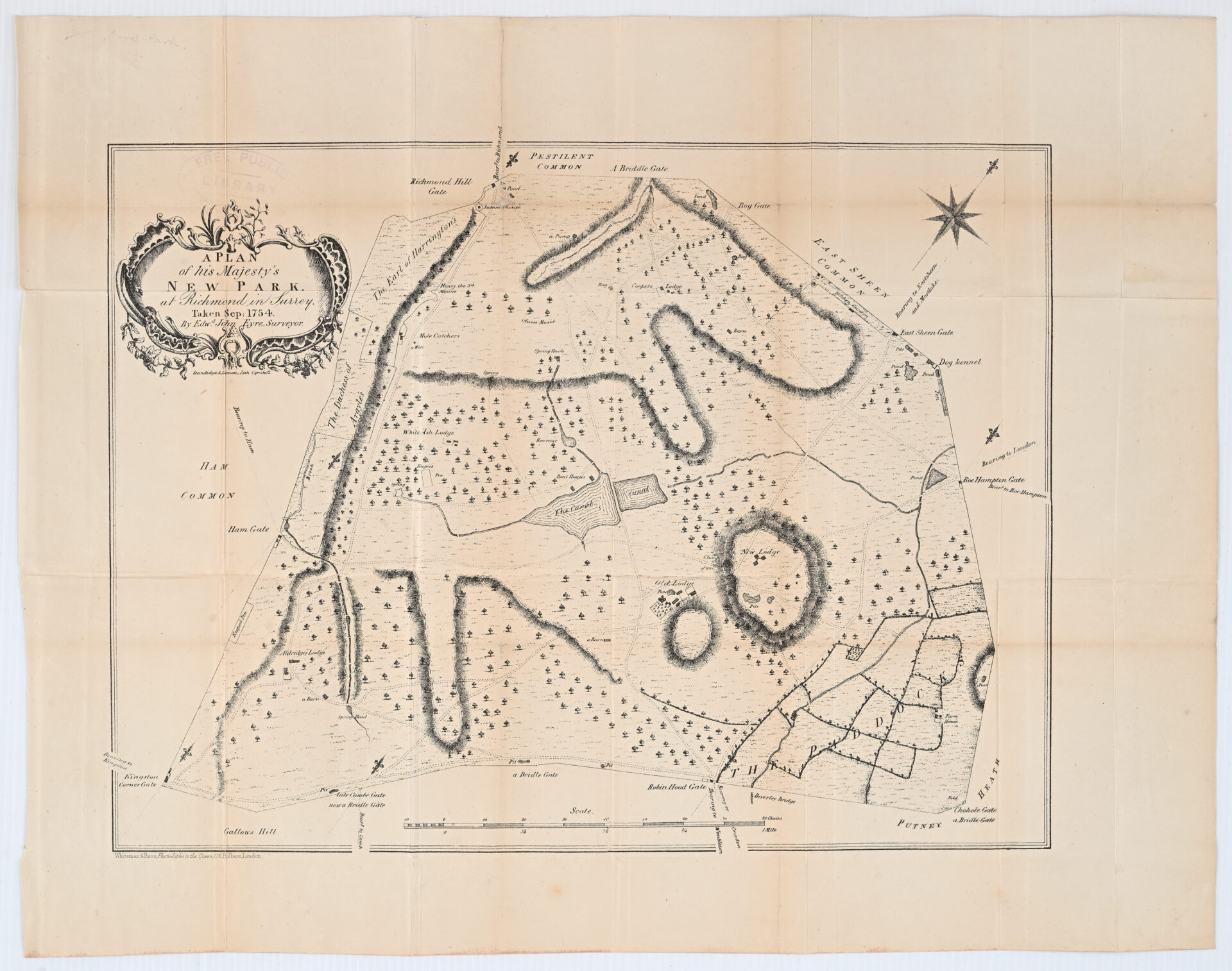
Richmond Park has been part of London’s landscape for almost 400 years. Charles I created it in 1637 as a royal hunting ground.
At the time, it was not a popular decision. However, it shaped one of London’s most important green spaces.
Because the park stayed in royal ownership and was enclosed, it was protected as London grew around it. Without this protection, much of the landscape would likely be built on today.
Instead, we now have one of the largest and most remarkable urban parks in the world.

A landscape shaped by history
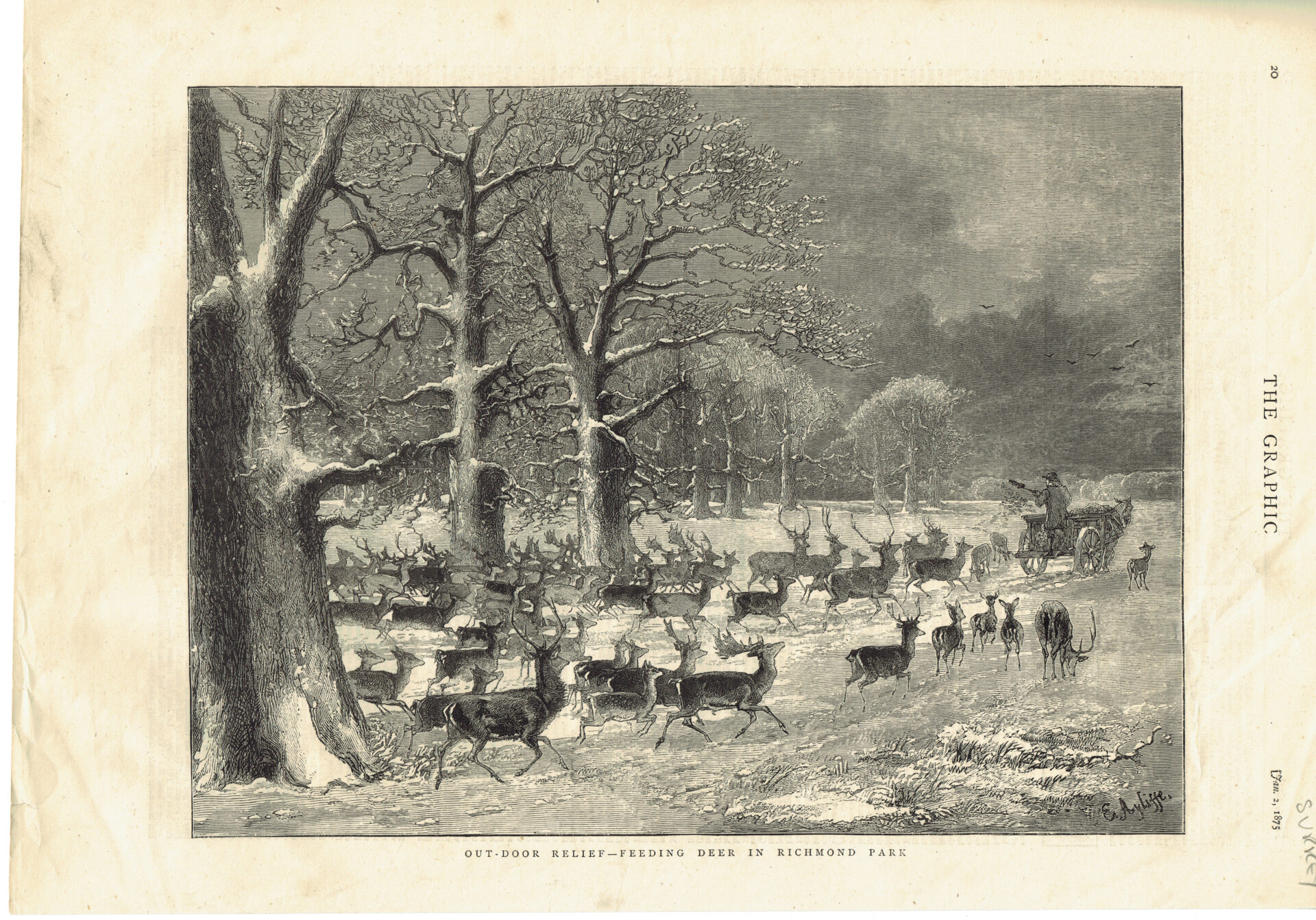
Over the centuries, Richmond Park has remained a working royal park. At the same time, it has become a place of peace and escape for Londoners.
Its woodlands, grasslands and open views have all been carefully preserved. Today, the park is home to ancient trees, rich wildlife and the famous deer that still roam freely.
What makes Richmond Park special is not just its size. It is also the feeling of nature and space, even though the city sits right on its edge.
The Hearsum Collection
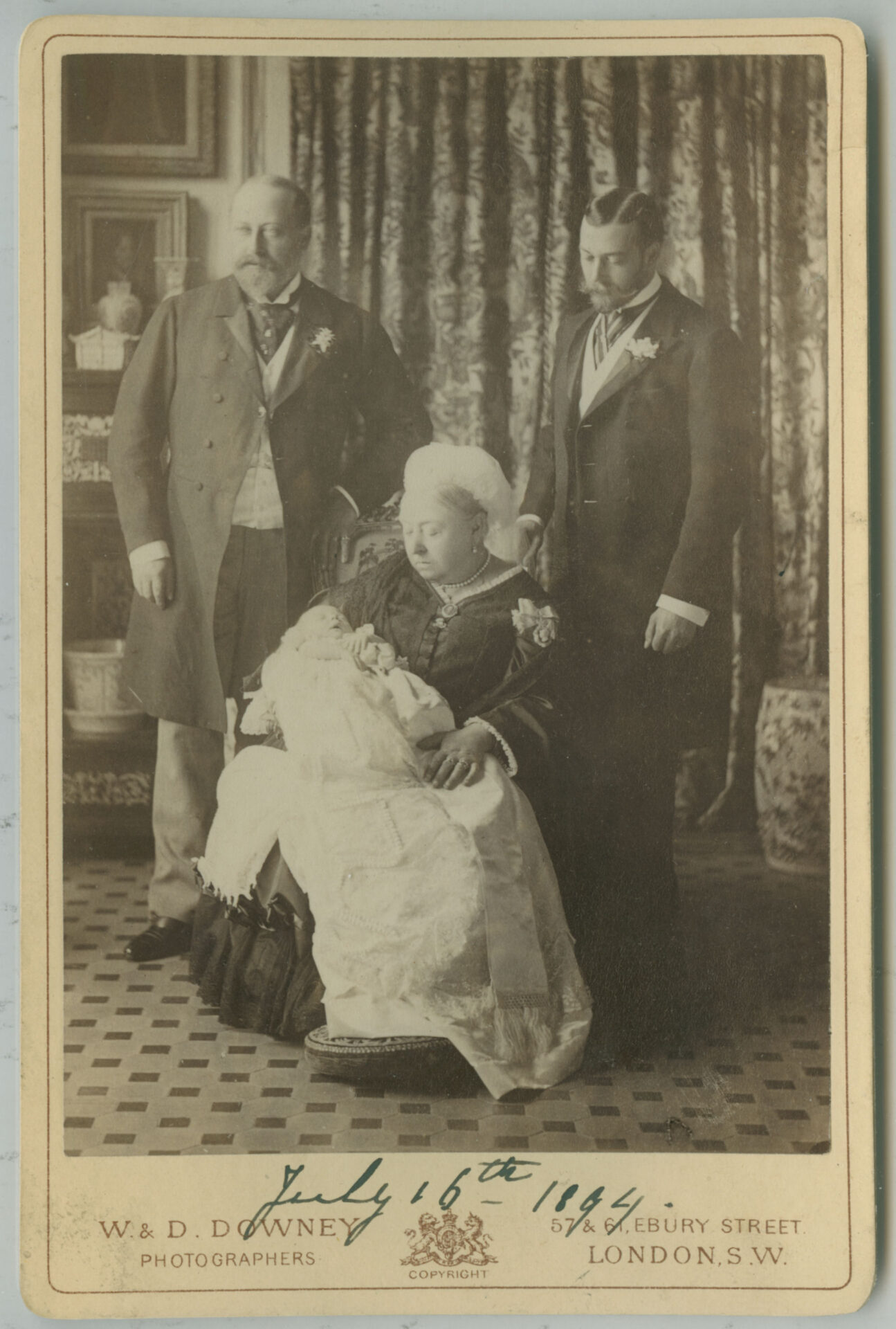
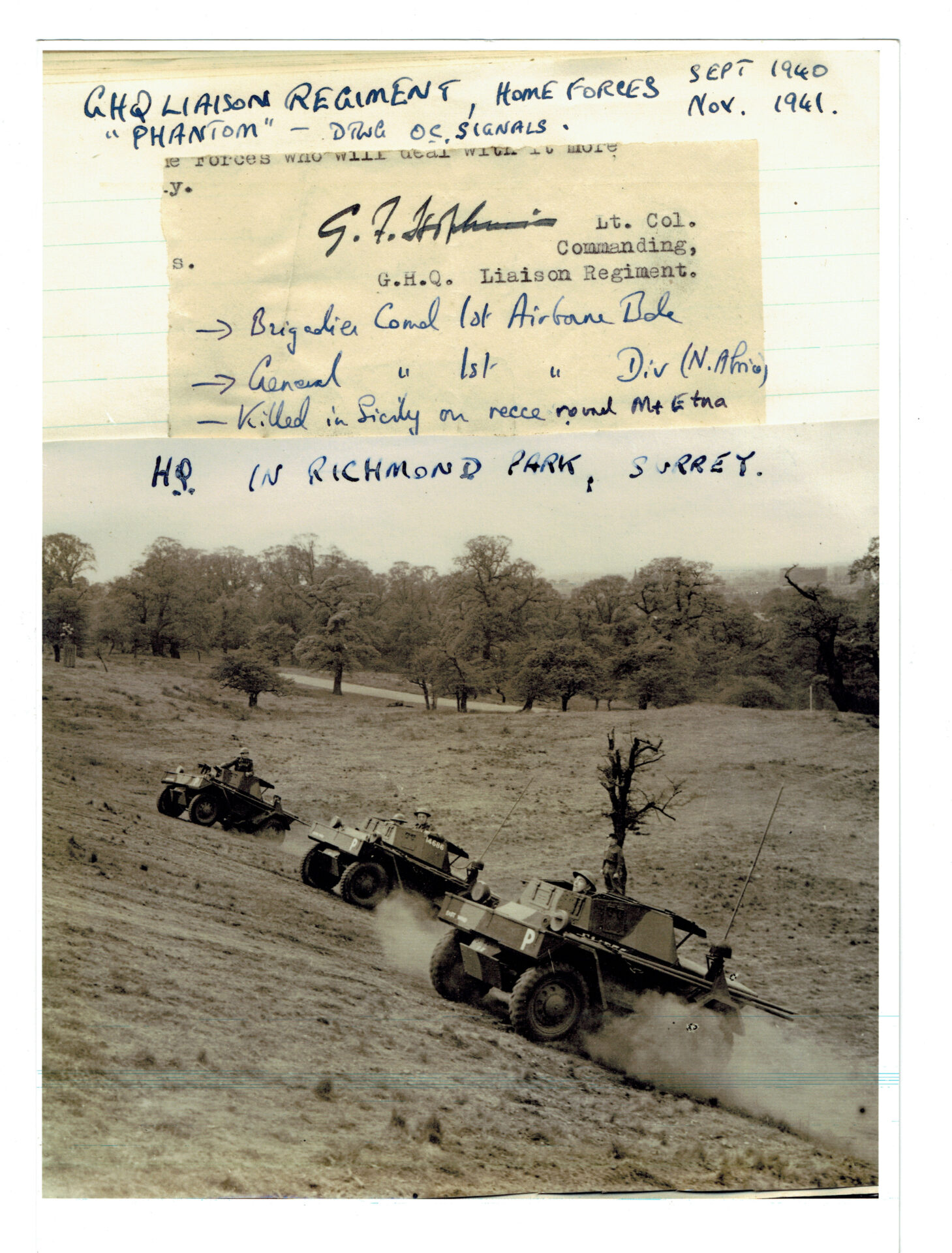
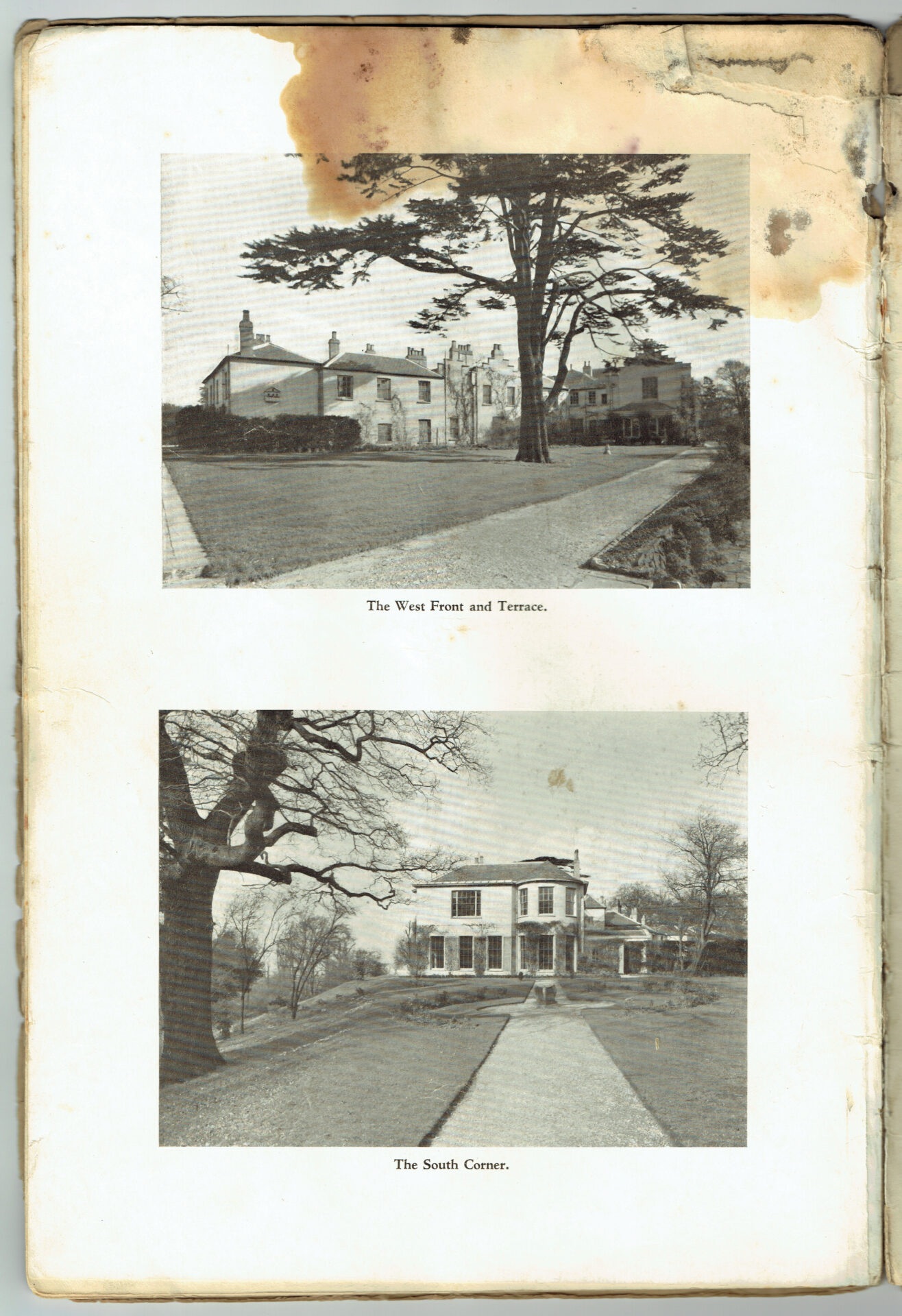
In 1997, Daniel Hearsum began collecting historical materials linked to Richmond Park. His goal was simple: to protect and share the park’s story.
Later, in 2009, The Friends of Richmond Park and The Hearsum Collection formed a partnership. Today, the collection operates as a registered charity.
It works to catalogue, digitise and share the park’s history. Volunteers support much of this ongoing work, which helps keep the project moving forward.
The Hearsum Collection
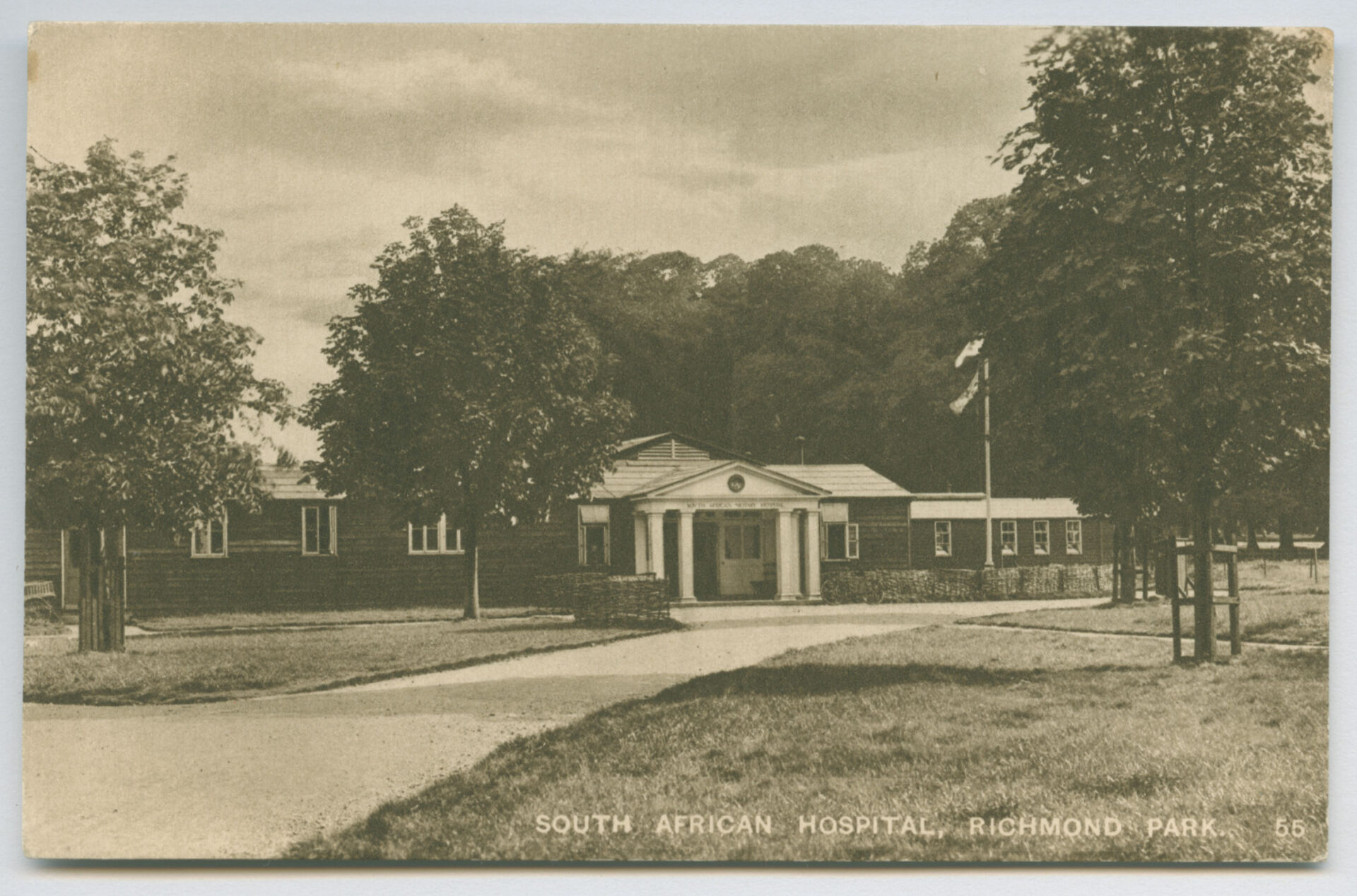
In 1997, Daniel Hearsum began collecting historical materials linked to Richmond Park. His goal was simple: to protect and share the park’s story.
Later, in 2009, The Friends of Richmond Park and The Hearsum Collection formed a partnership. Today, the collection operates as a registered charity.
It works to catalogue, digitise and share the park’s history. Volunteers support much of this ongoing work, which helps keep the project moving forward.
Making the history more accessible
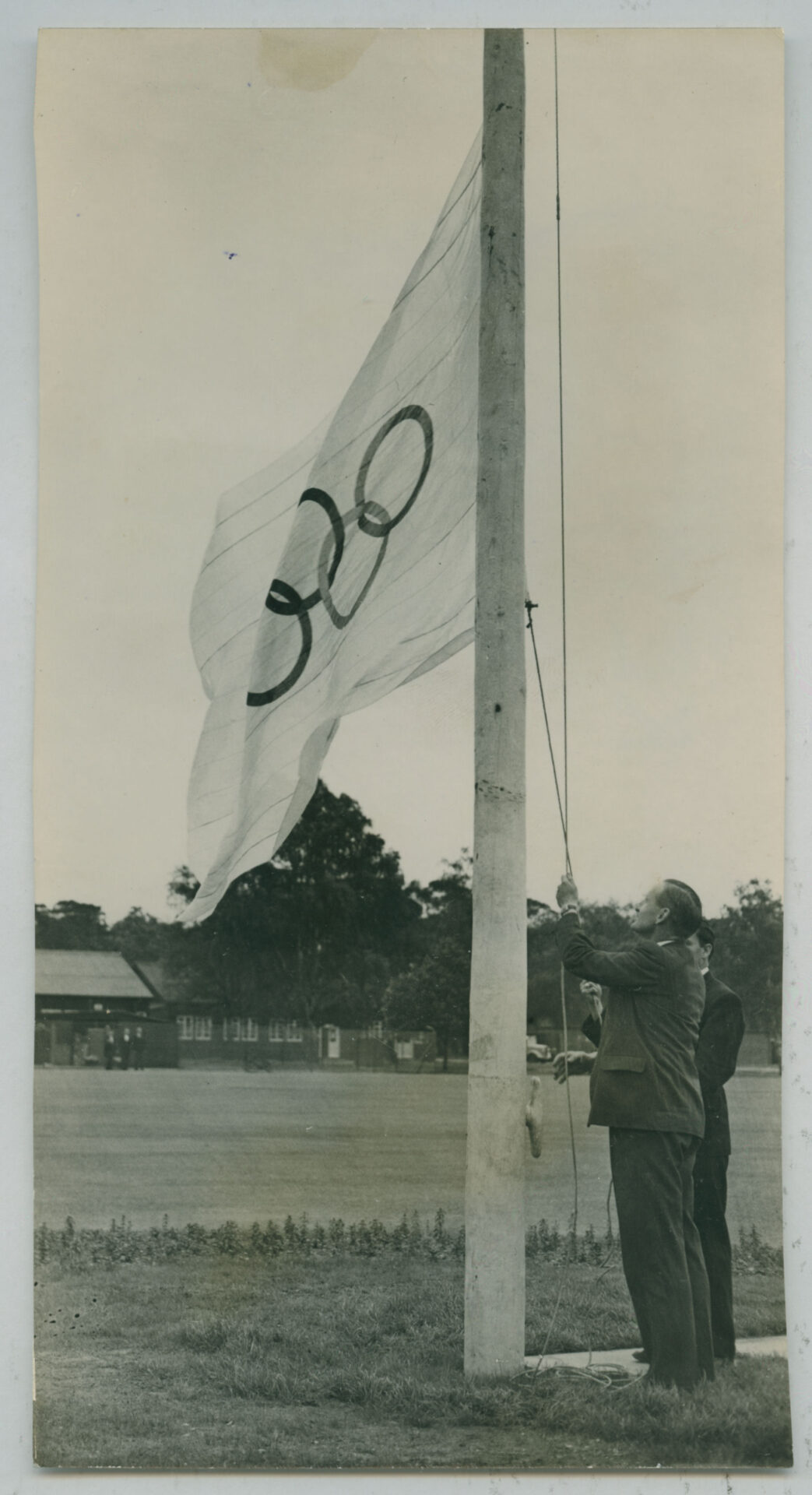
The story of Richmond Park should not only be preserved. It should also be shared in a way that visitors can truly experience.
